
Editor’s Note: This is the first chapter of the first section of Richard Nelson’s new book “The Heat Shield of Abundance”. To see the book’s introduction part, please click here.
SECTION 1 – THE BACKSTORY
Chapter 1: The Metabolism of the Bioshelter – John Todd and the PEI Ark
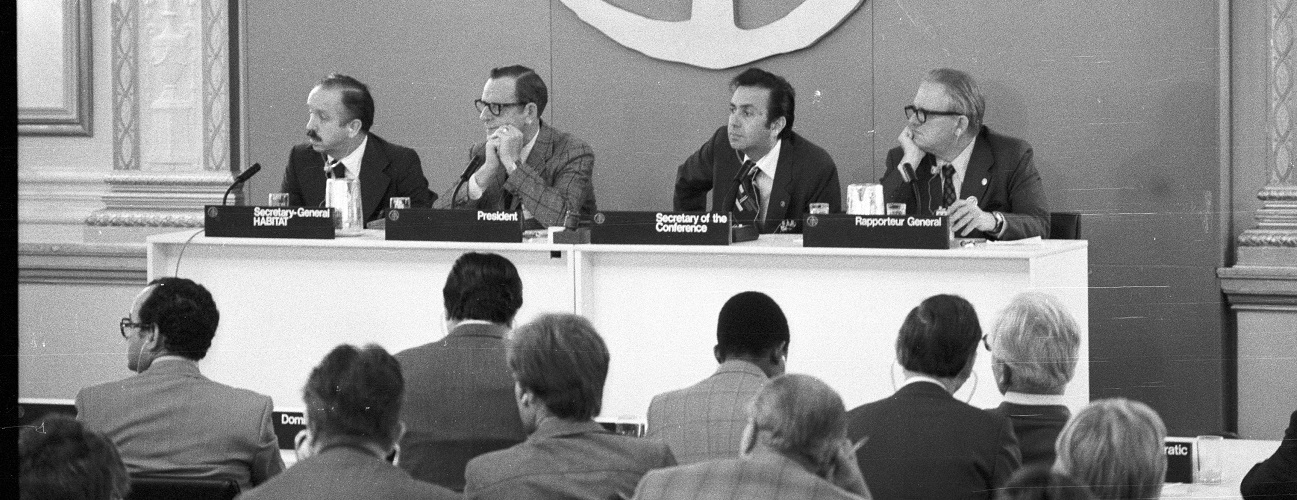
The year was 1976, and the global psyche was reeling. The first oil embargo had shattered the illusion of endless, cheap energy, and the world’s leaders were descending on Vancouver for the first UN Habitat Summit. The central question of that summit was existential: How can we house a growing human population without destroying the planetary systems that sustain us?
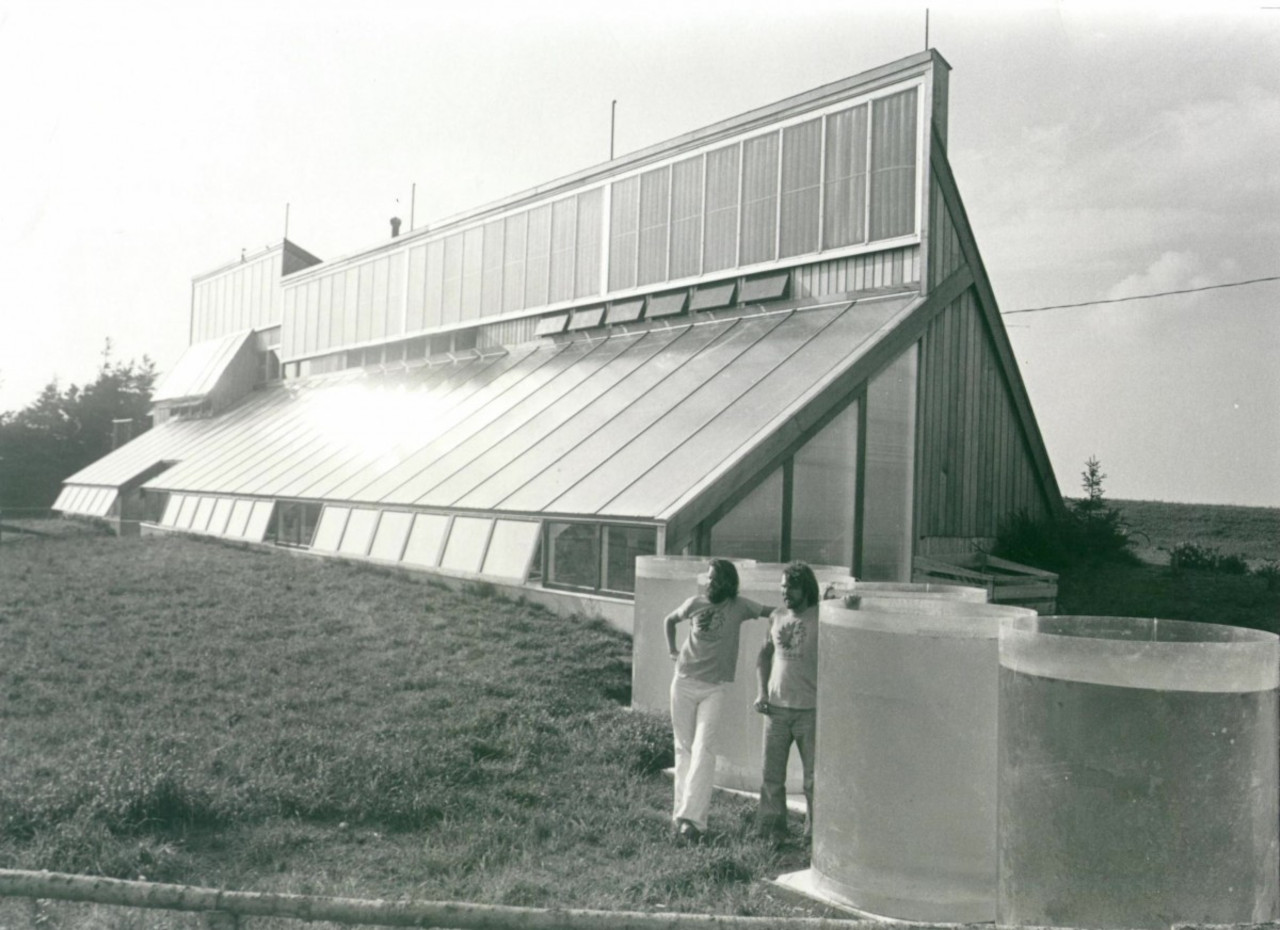
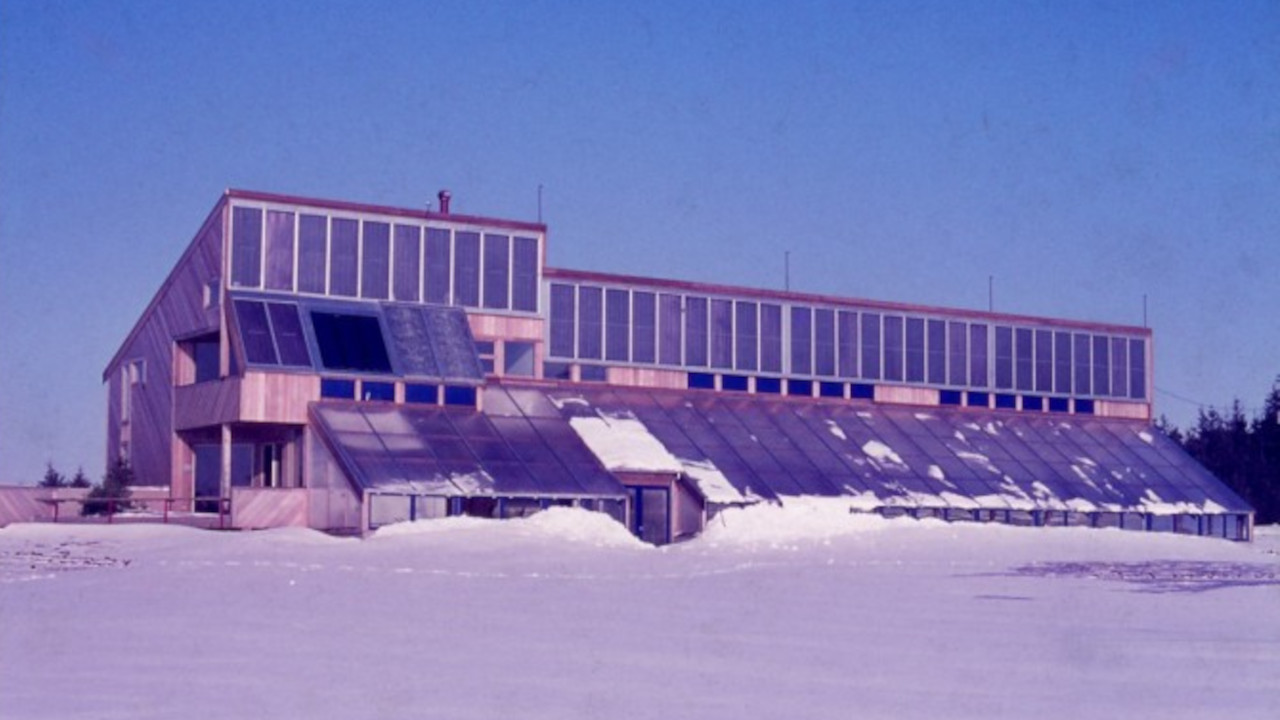
 While the diplomats talked in Vancouver, a group of “renegade” MIT scientists known as the New Alchemists were providing a physical answer 3,000 miles to the east. Following the Summit many of the delegates and global leaders went on the “field trip” to see the government of Canada’s demonstration project. On a windswept, red-clay peninsula in Prince Edward Island (PEI), they were finishing a structure that looked less like a house and more like a landed spacecraft. They called it The Ark.
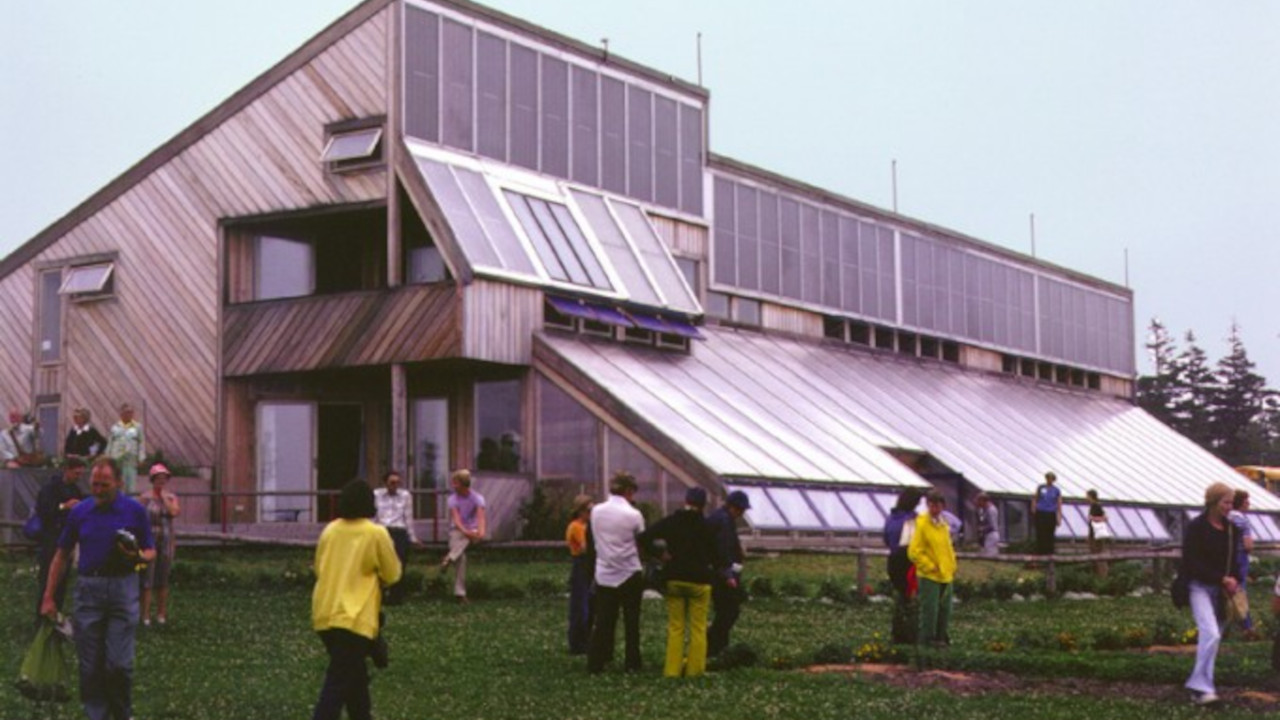
 In September 1976, Prime Minister Pierre Trudeau stood on a point of land in Prince Edward Island to inaugurate “The Ark.” To the onlookers, it looked like a solar-powered cathedral—a 100-foot-long structure of glass and wood. It was the flagship of the New Alchemists, who partnered up with the Provincial team that became the Institute of Man and Resources, and among these, gathered for the official opening ceremony, stood our Inventor. These innovators believed that if humanity was going to survive the looming ecological crisis, we had to stop treating buildings like boxes and start treating them like organisms.
The project was an unlikely marriage between the Canadian federal government—seeking a “solar-age” beacon for its remote provinces—and the visionary Dr. John Todd, an oceanographer who believed that he held the key to self-sufficient living: the Living Machine.
The Living Machine: A Building with a Gut
Todd’s fundamental insight was that modern architecture was effectively comatose. We built houses that “breathed” only through mechanical fans and “ate” only through utility pipes. To Todd, this was a biological absurdity. The PEI Ark was his attempt to give a building a metabolism.
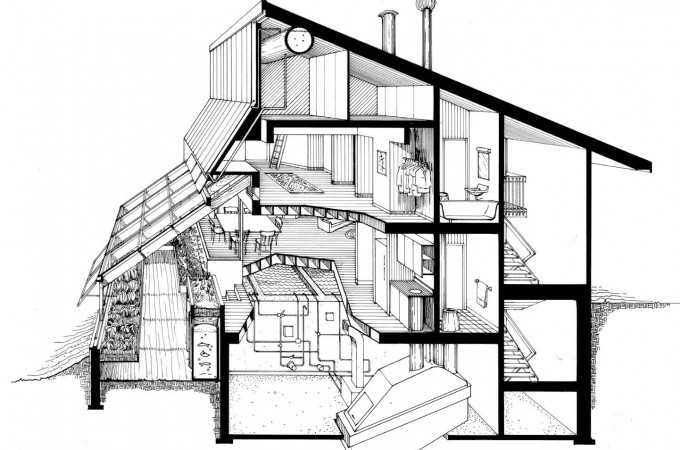
He designed the structure to step down a south-facing slope, creating a terraced interior that functioned like a mechanical gut.
- The Vertical Metabolism: At the highest level sat the human habitation zone. Below them, gravity took over. Every drop of waste—the “grey water” from sinks and the “black water” from toilets—didn’t go into a sewer pipe to be forgotten. It began a journey of transformation.
- The Constructed Marsh: Todd moved the aerobic process of composting into a “liquid state.” He directed the waste into a series of aerated tanks and terraced marsh beds.
- The Root-Zone Shield: These weren’t decorative plants. Todd selected species with root systems that acted as biological scavengers, secreting specialized compounds that neutralized human pathogens on contact. He proved that an ecosystem could do the work of a multi-million-dollar chemical treatment plant for the cost of a few seeds and some sunlight.
The “Colloid” Discovery: The Wealth of Waste
In the quiet gurgle of the Ark’s terraces, the team encountered a technical mystery that remains the “Holy Grail” of organic farming: Organic Colloids.
As bacteria “digested” the biomass in these tanks, they produced stable, microscopic metabolites. Todd realized these were the perfect, stable fertilizers for organic food production. Like the chemical fertilizers of the “Green Revolution,” these colloids, having a zero Biological Oxygen Demand (BOD), wouldn’t rob a waterway of oxygen if they leaked out; they were stable, nutrient-dense, and entirely natural.
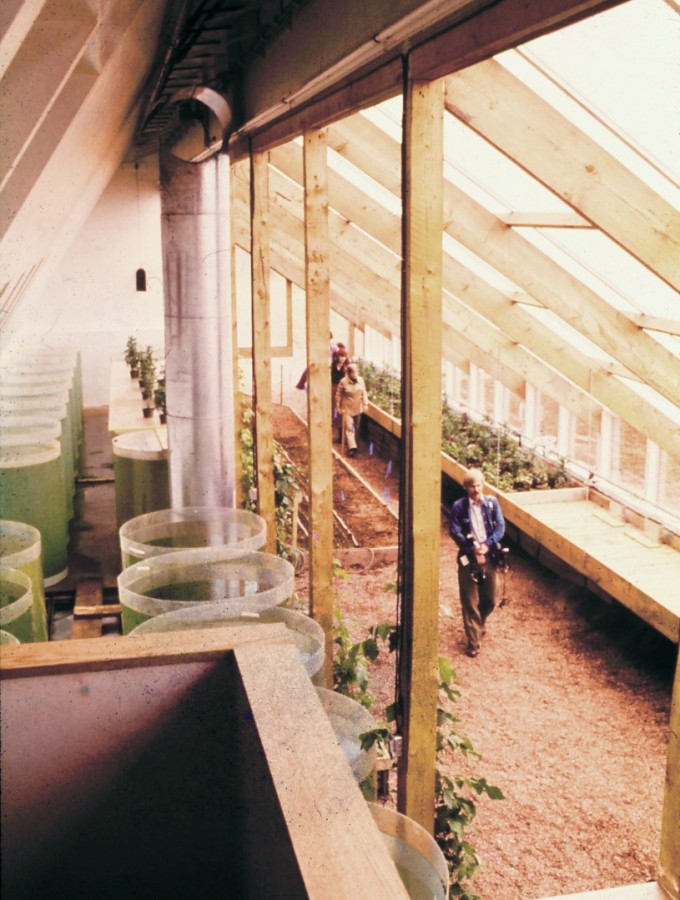 Todd saw the colloids as the engine of Regenerative Abundance. He was treating human waste not as a pollution problem to be “managed,” but as a resource to be “harvested” safely, with the application of high life-science. The natural harvest of these nutrients by the plants, regenerated a circular fresh-water resource and so the closed aquatic loop would put an end to the water crisis, but…
The Invisible Limit: The Static Skin
The PEI Ark was a masterpiece of Internal Metabolism, but it was a failure of External Anatomy. Todd and the New Alchemists were “fearless pioneers,” but they hit a wall that no amount of biological brilliance could solve: the Static Building Envelope.
- The Overheating Paradox: In the summer, the PEI sun turned the Ark into a furnace. Because the glass was a fixed, static material, the only way to save the fish in the algae tanks was to open massive vents.
- The “Exhalation” Loss: When those vents opened, the “Living Machine” was effectively broken. All the precious CO2 generated by the bacteria and all the humidity transpired by the plants—the very ingredients for growth—were blown away by the wind.
- The Winter Sieve: In the -20°C PEI winter, the thin glass was an energy sieve.
The building, the Ark itself, was constantly fighting its environment rather than working with it!
The Investigative Finding
The Ark was the first “Protopia” of the Sun Paradigm. It proved that we could close the loop on nutrients and water. But it also revealed the “Missing Link” in building science. You cannot have a closed-loop metabolism if your building’s “skin” is a static, dumb barrier.
Todd’s work proved that a human habitat could be a producer, but it also proved that we needed a Dynamic Envelope—a skin that could sweat, breathe, and insulate as the biology inside demanded. The Ark was a heart without a ribcage, a gut without a skin. It was the first “marathon” leg of a fifty-year journey to find the Bubble that would finally close the circle.
[… to be continued in the next post]