
Chapter 6: The Super-Insulated Cave – The Betrayal of “Net-Zero”
To understand why our cities are becoming uninhabitable heat islands and why our homes feel more like high-cost bunkers than sanctuaries, we have to look at a fundamental fork in the road of architectural history. On one side was the path of Transparency and Integration—the dream of Fuller and the CELSS pioneers. On the other was the path of Insulation and Isolation.
The world chose the latter. And so we find ourselves locked into the “Architecture of the Cave.”
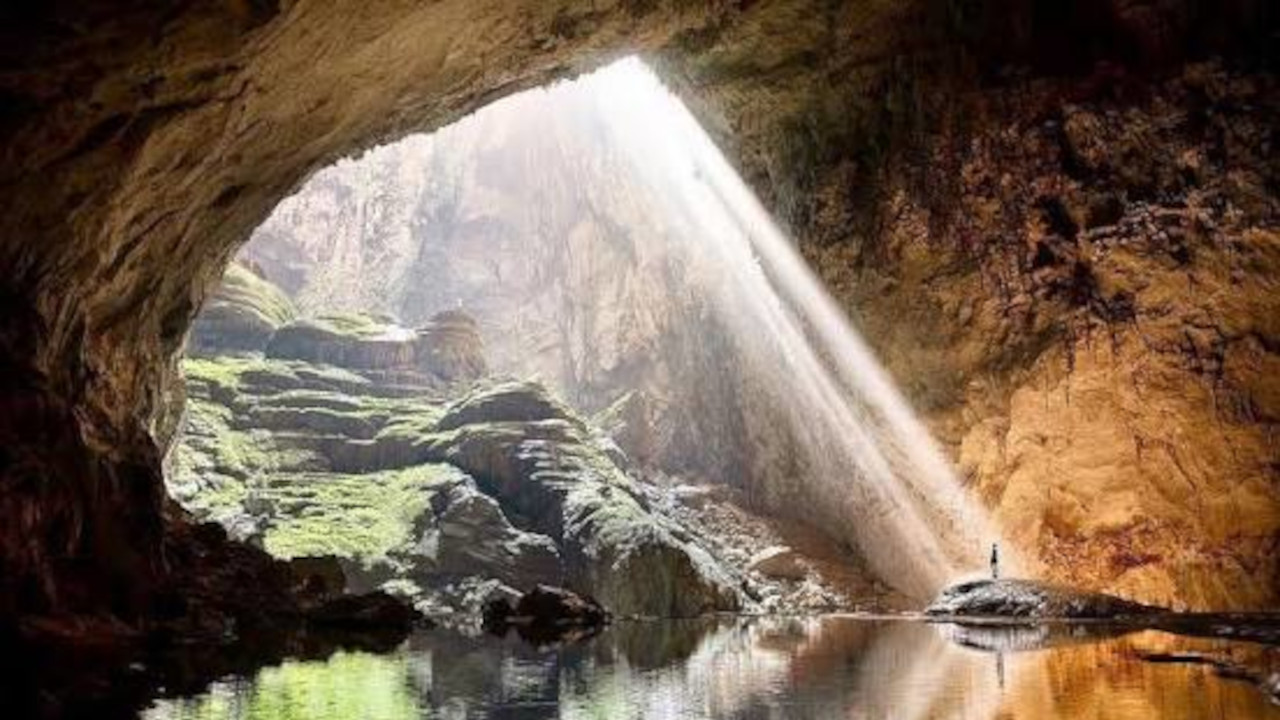
The Fortress Mentality: From Castles to Condos
The “why” of our failing cities starts with a psychological shift. In the mid-20th century, as the world became more volatile and energy costs spiked, the architectural profession retreated. They began to treat the external environment not as a source of life, but as an enemy to be kept at bay.
This movement was spearheaded by influential figures in the Passive House (Passivhaus) movement, such as Dr. Wolfgang Feist in Germany, and echoed by institutions like the NREL (National Renewable Energy Laboratory) in the United States. Their logic was seductive in its simplicity: if you build a thick enough wall, you don’t need a heater.
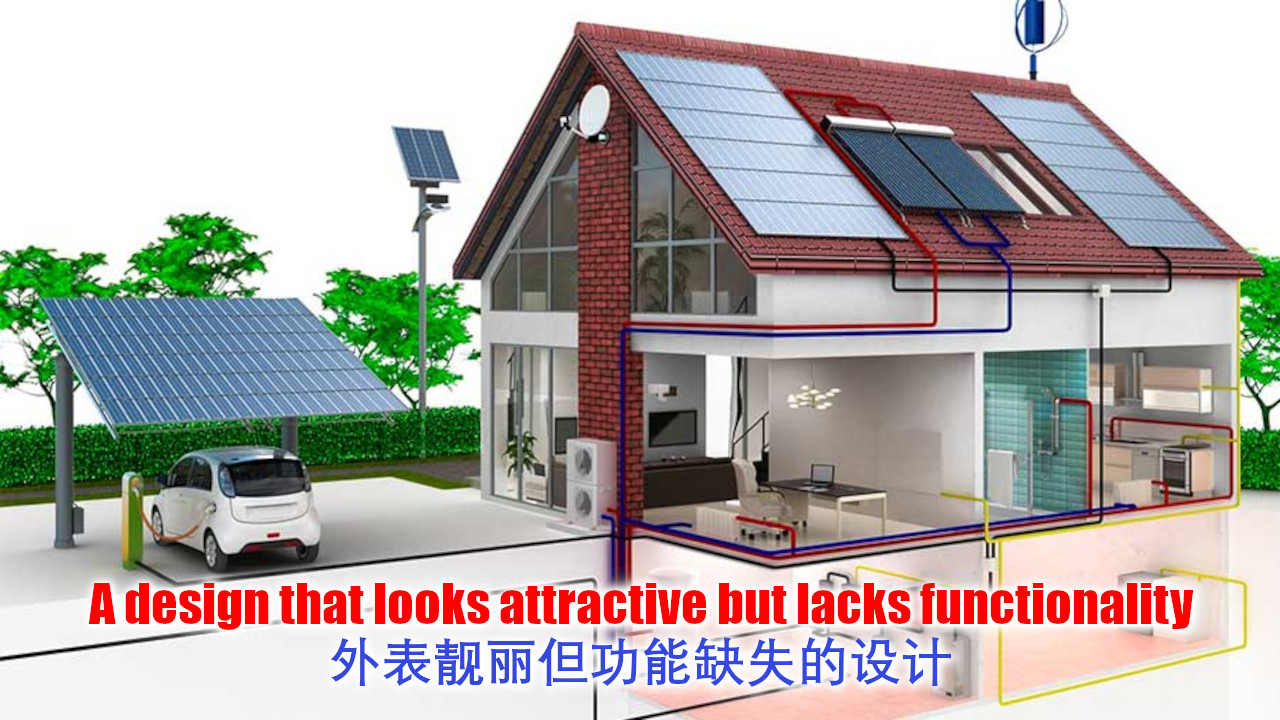
- The “Bunker” Design: The ideal “Net-Zero” home became a cube with 12-to-18-inch thick walls filled with petrochemical foam or mineral wool and having a strong vapor barrier.
- The Window Tax: Architects were taught that glass was an “energy leak.” The result? Windows were shrunk to the minimum legal size, often fixed shut, and treated with triple-pane coatings that reject the very solar spectrum plants need to grow.
- The Opaque Roof: NREL standards effectively mandated that roofs—the prime real estate for solar harvesting—be opaque, heavily insulated barriers. We paved over the “sky-view” of our homes to stop heating costs from “going through the roof”.
The Professional Abdication: The “Energy Star” Illusion
This is where our Inventor, watching from the wings of the professional societies, saw the “Great Stagnation.” Organizations like the AIA (American Institute of Architects) and the creators of LEED certifications began handing out “Energy Stars” for buildings that were merely “less bad.”

- Non-Productive Sinks: A building could win an award for using 30% less energy, but it utilized a bare minimum of solar energy, still produced zero food, purified zero water, and contributed zero oxygen to the community. It remained a parasitic consumer.
- The Conformity Trap: The “why” here is systemic. Building codes and insurance mandates are designed for the “Status Quo.” To build a SolaRoof habitat requires “unlearning” the last 50 years of bunker-science—a task the professional societies have found too disruptive to their established standards of practice.
The Urban Heat Island: Why Our Cities are Failing
The consequence of this “Cave Architecture” isn’t just a high utility bill; it is a global urban crisis. When you build a city out of “super-insulated caves” that reject solar energy, that energy doesn’t just disappear.
- The Mirror Effect: All that solar radiation that should be fueling a “Living Machine” is instead bounced off the high-albedo roofs and glass of our “Net-Zero” towers and into the streets.
- The Oven City: This creates the Urban Heat Island effect. Cities like Phoenix, Dubai, and Mumbai – in fact, the majority of cities, are becoming “heat traps” where the temperature is 5-10°C higher than the surrounding countryside.
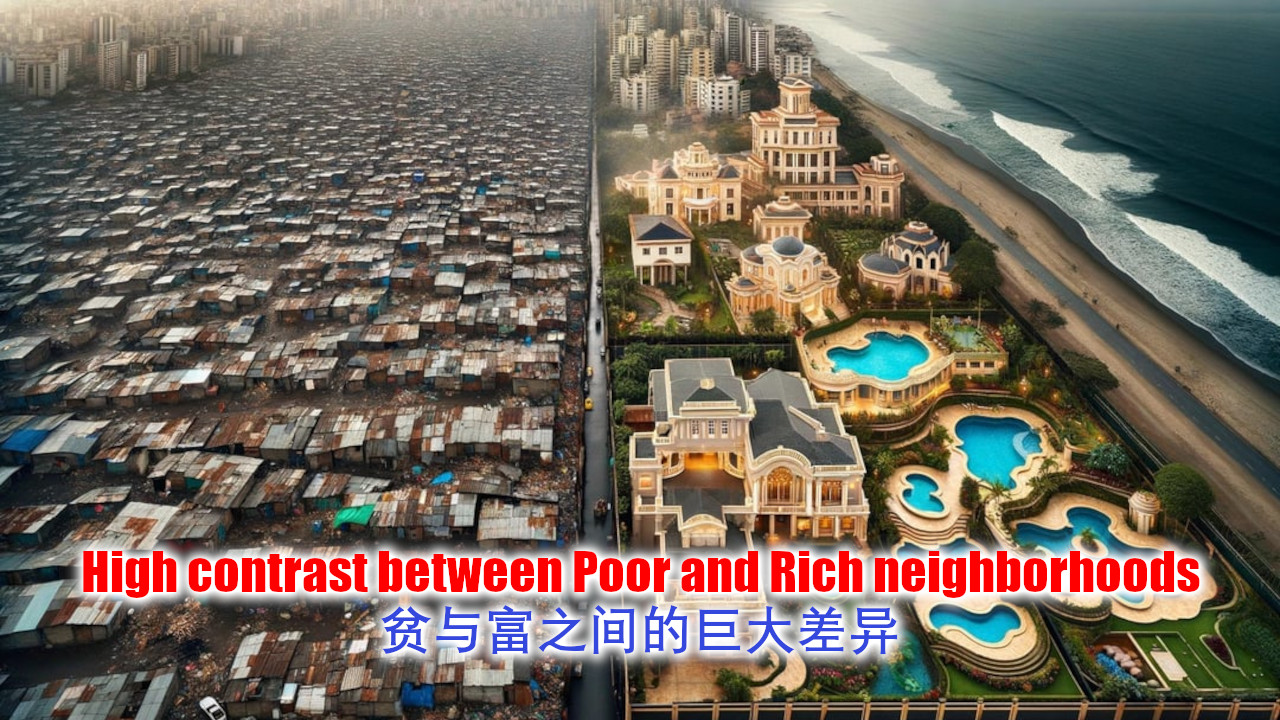
- The Social Divide: We have created a world where the wealthy live in high-tech, air-conditioned caves, while nearly 50% of the world’s city-dwellers are living in unserviced communities and slums. Today, in our time of global heating, the large majority of people are literally being cooked by the redirected heat of the formal city.
- Academics and the Professionals: The Architects, Engineers, Builders of the North (the vaunted 1st world) have sentenced the South to death by heat – because the majority of the global population have not affordable or reliable electric power or air-conditioning, even as the severity of Climate Heating accelerates, with heatwaves becoming more frequent, lasting longer and getting hotter.
The Question of the Chapter: Why Do Our Homes Fail Us?
Our homes fail us because they are Static Objects in a Dynamic World. They are designed to “resist” change rather than “process” it. A home should be a life-support system, as the NASA CELSS program proved. Instead, we have accepted a model where the home is a “resource-sink”—a costly, brittle box that leaves us vulnerable the moment the power grid flickers or the food supply chain is broken.
The “Passive Solar” movement of the 1970s had the right idea—using the sun—but they lacked the Dynamic Interface. They relied on solid “Thermal Mass” (concrete and brick), which is slow and unresponsive. The envelope of your home cannot “sweat” to cool down or “vanish” to let in light or radiate heat to the outside.
The Investigative Conclusion: Leaving the Cave
The “Architecture of the Cave” is a dead end. It is a high-resource consumption model that treats humans as “occupants” rather than “participants” in a living cycle.
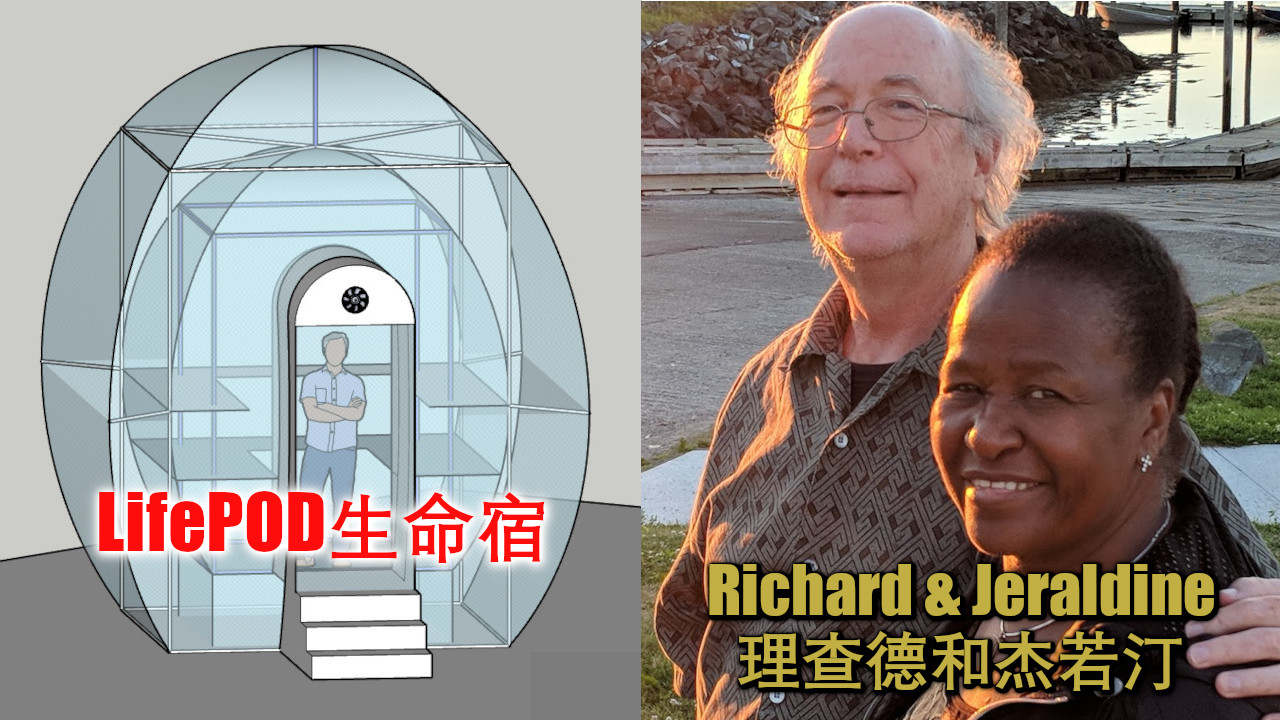
Our Inventor realized that to save the city, we have to stop building bunkers and start building Membranes. We must move from the “Super-Insulated Cave” to the Regenerative LifePod. We don’t need a thicker wall; we need a Dynamic Bubble that can act as a wall when it’s cold and a window when it’s sunny.
We are finally ready to step out of the dark ages of “Net-Zero” and into the light of the Sun Paradigm.
(To be continued…)