
Chapter 5: The Glass Cathedral – High Architecture and the Spectacle of Light
If the laboratories of NASA and GE provided the “biological code” for abundance, the world of high architecture provided the “vision.” To understand why we aren’t living in transparent paradises today, we have to look at the moments when the building itself began to “dematerialize.”
The story begins not in a lab, but in the soaring, optimistic atmosphere of Expo ’67 in Montreal. It was here that our young Inventor, then only sixteen years old, stepped into a future that the rest of the world is only now beginning to grasp.
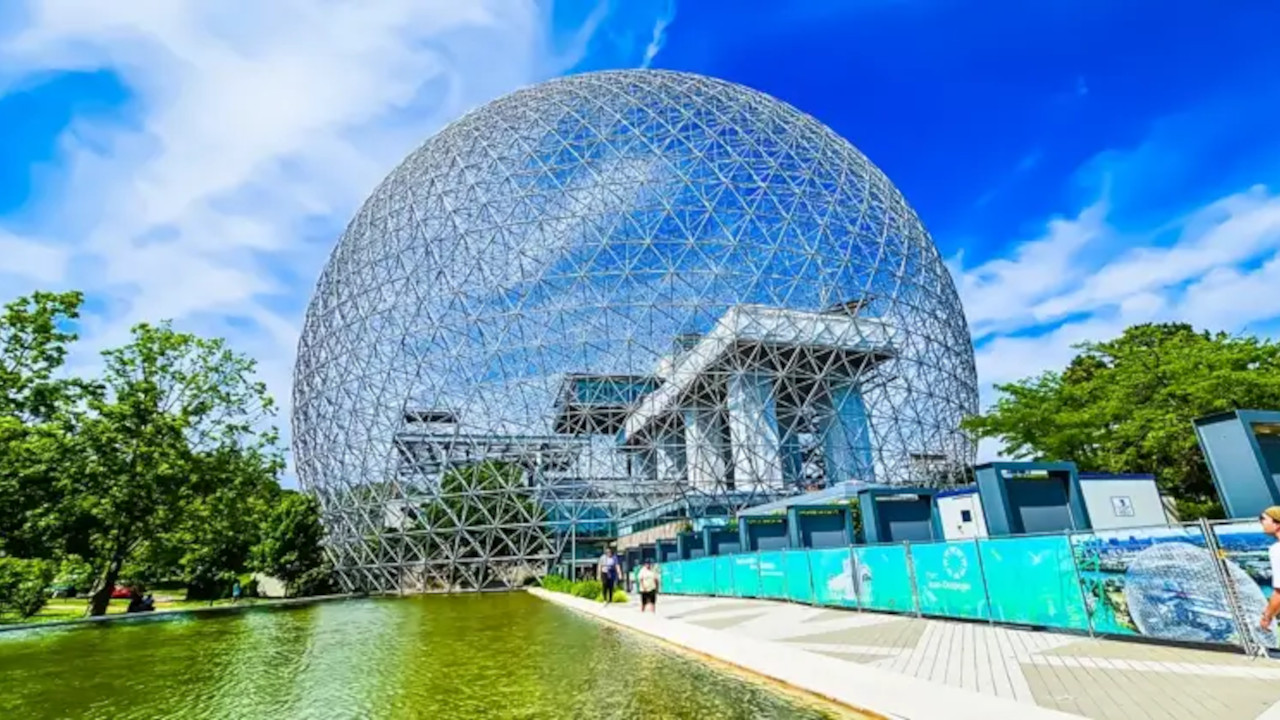
The Giants of Montreal: Fuller and Otto
In 1967, the world’s fair was a cathedral of “Man and His World.” Two structures, in particular, stood as icons of a new architectural language:
- The US Pavilion (Buckminster Fuller): This was a 250-foot-diameter geodesic sphere, a crystalline web of steel and acrylic. To our young inventor, it was the physical manifestation of his hero’s philosophy: “Doing more with less.” It was a masterclass in Pure Compression. Fuller had proved that geometry alone could create massive, sheltered volumes with a fraction of the weight of traditional buildings.
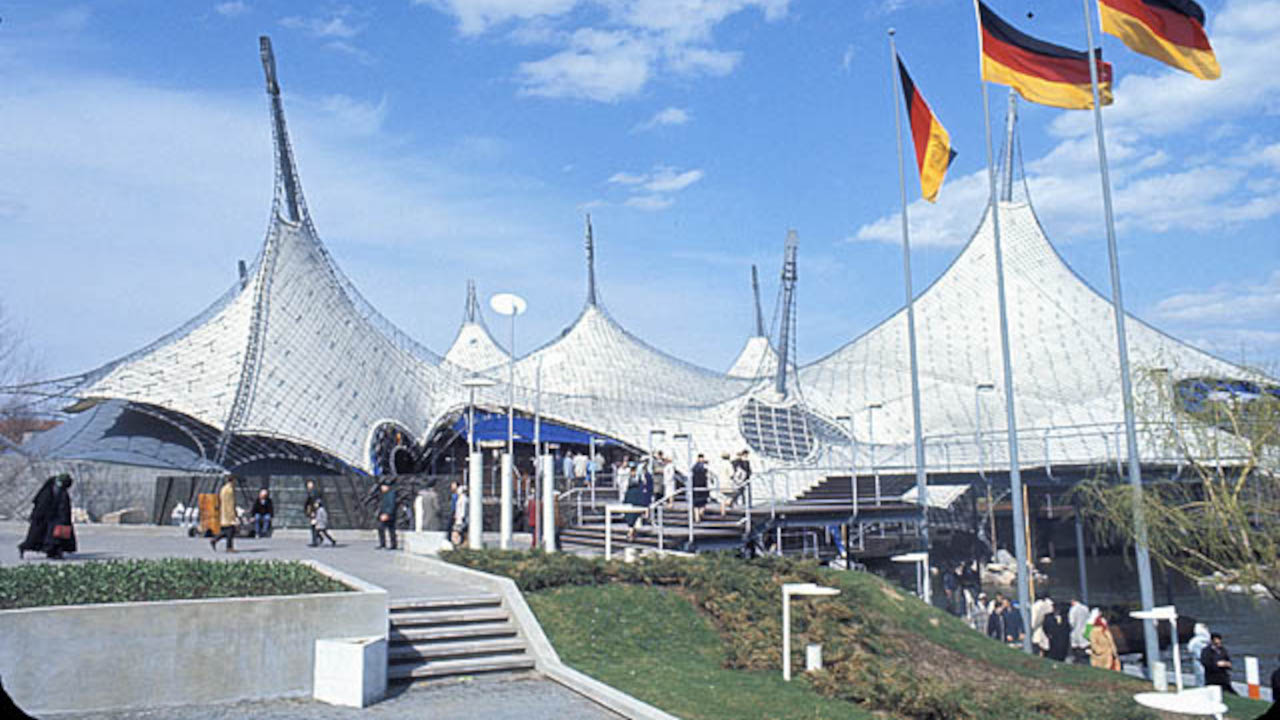
- The German Pavilion (Frei Otto): Nearby, another revolution was taking place. Frei Otto, the pioneer of tensile structures, had created a shimmering, translucent tent of steel cable and polyester. It was the antithesis of the sphere—a masterpiece of Pure Tension. It didn’t sit on the ground so much as it floated above it.
For our young inventor, these two structures were the “X” and “Y” axes of a new reality. He saw a future where a building could be reduced to its absolute essence: a Pure Compression Frame (the geometry) and a Pure Tension Envelope (the skin). But as the decades passed, these architectural giants hit a technical ceiling.
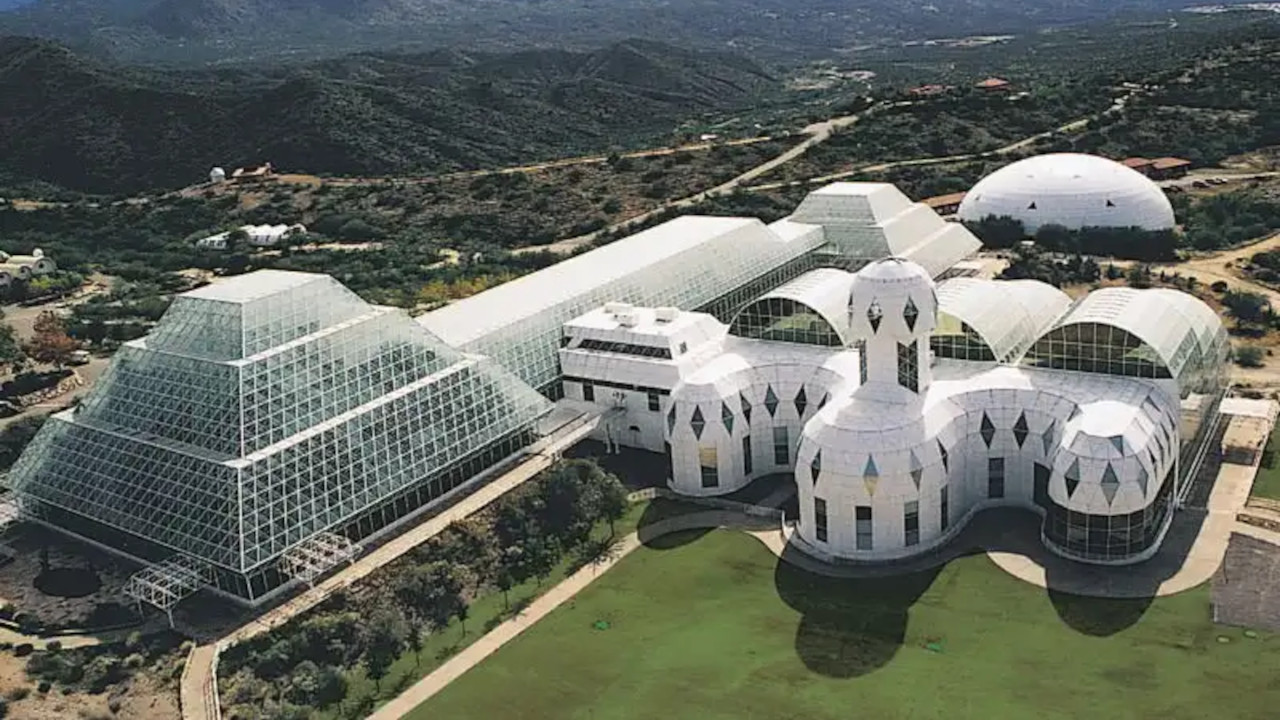
The $200 Million Mirror: Biosphere 2
The most famous attempt to bridge the gap between Fuller’s geometry and NASA’s biology was Biosphere 2 in the Arizona desert (1991). It was a Hollywood-level production of science—a 3-acre “Glass Cathedral” designed to be a closed ecosystem.
However, the investigation into Biosphere 2 reveals why it became a cautionary tale rather than a blueprint. The evidence that this project, that professed to model nature, was actually fighting it – battling with brute force engineering:
- The Pressure Paradox: Because the glass-and-steel structure was so airtight and rigid, the air inside expanded and contracted with the heat of the sun. Without two massive, rubber-domed “Lungs”—external expansion chambers—the glass would have literally exploded from the internal pressure.
- The Carbon Trap: The “Massive Architecture” betrayed the “Living Biology.” The 30,000 cubic yards of concrete used in the footings, ground terracing and multi-level live/work space began to absorb the CO2 from the air, preventing the plants from recycling it into oxygen.
- The Hidden Power Plant: Hidden away from public sight and connected via a secret tunnel was a huge oil fueled electric power plant – to drive the massive air-conditioning system, to fight the heat of the sun.
The Modern Icons: Eden and Singapore
The lineage of Fuller and Otto eventually led to the 21st century’s most iconic “biomes.”
- The Eden Project (Cornwall): This project finally realized the “Pure Tension” transparent envelope dream by using ETFE cushions. These “pillows of air” are 1% the weight of glass, allowing for massive, column-free spans.
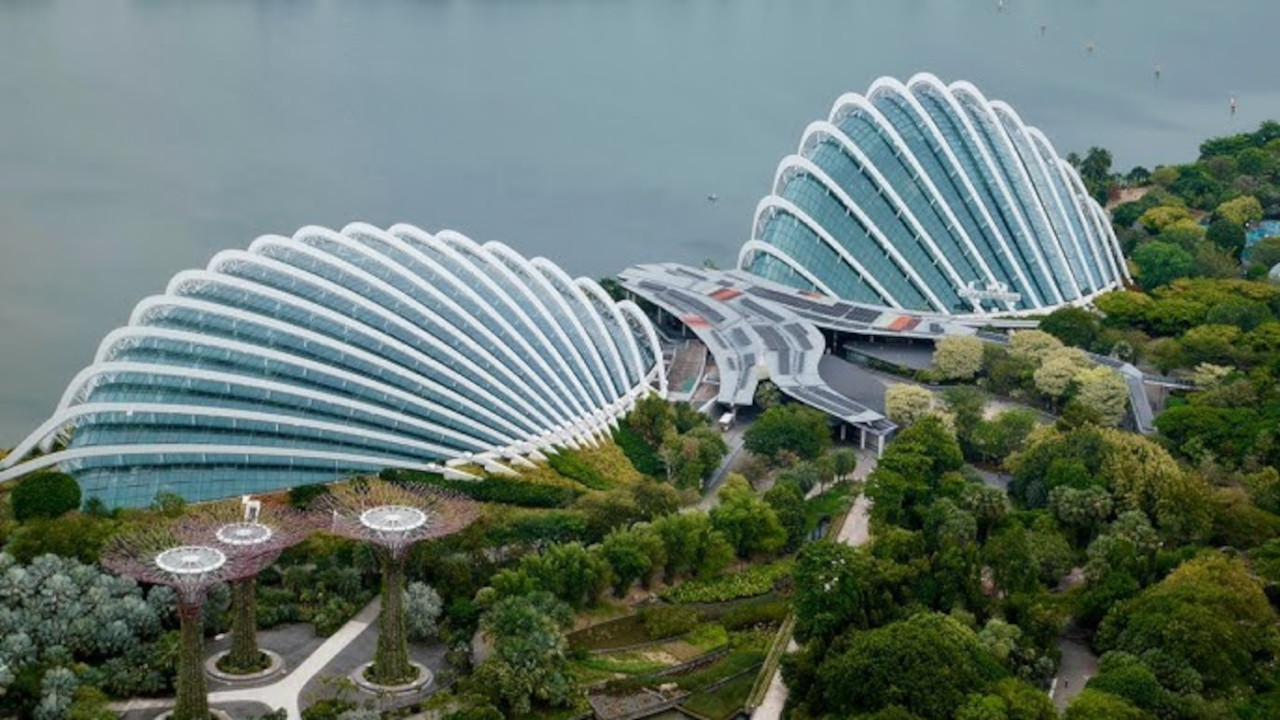
- The Singapore Biodomes: These structures pushed glass technology to its absolute limit, creating a “Cloud Forest” in the tropics.
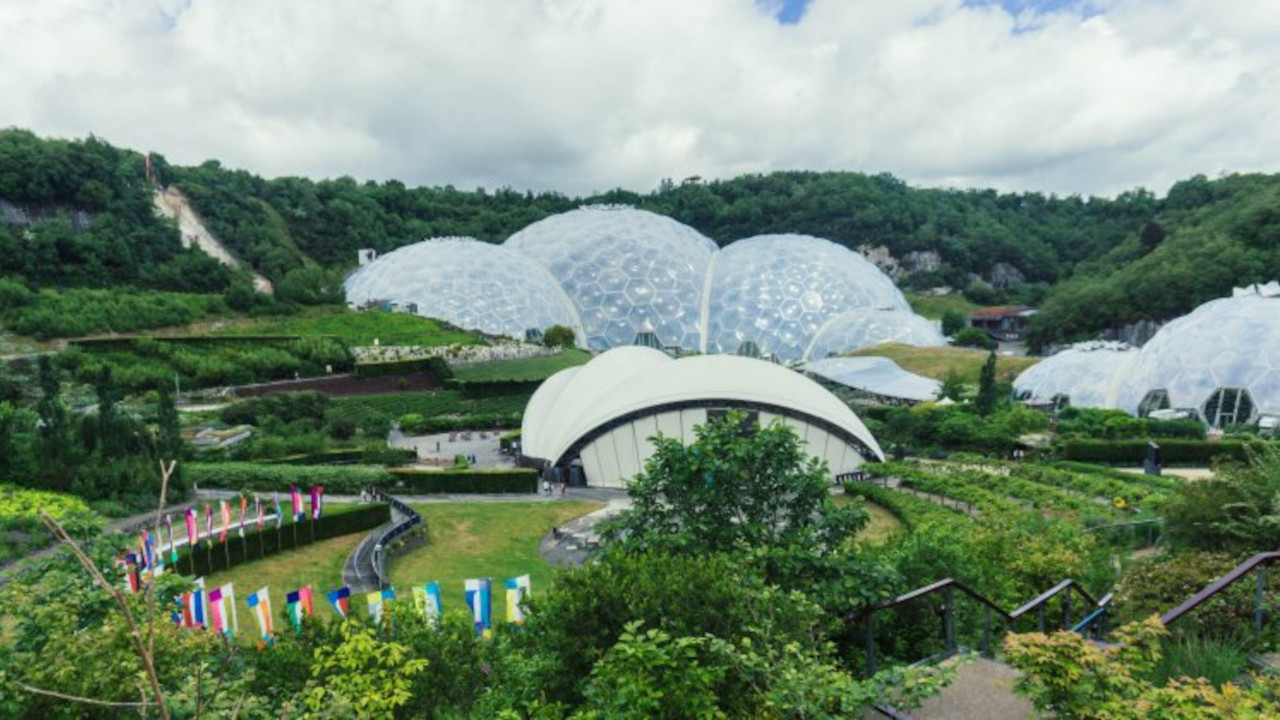
But beneath the spectacle, the investigative journalist finds the same “Invisible Wall” discovered by Dr. Hodges in the desert. These structures are Thermodynamic Sinks. They are “Static Cathedrals.”
- In Cornwall, they must pump in heat to survive the winter.
- In Singapore, they must pump in massive amounts of chilled air to fight the solar gain.
The Synthesis: Dematerialization and the Dynamic Skin
These high-end architectural projects proved that we could build the “Cathedral,” but they failed to make it Regenerative. They were still using the “Cave” mentality—fighting the outside environment with high-energy mechanical systems.
Our Inventor, looking back at the lessons of Fuller and Otto, realized the missing piece. To achieve “Universal Success,” the building didn’t just need to be lightweight; it needed to be Active.
- The Pure Compression Frame (Fuller) provides the strength.
- The Pure Tension Envelope (Otto/ETFE) provides the shelter.
- The SolaRoof Bubble provides the Brain.
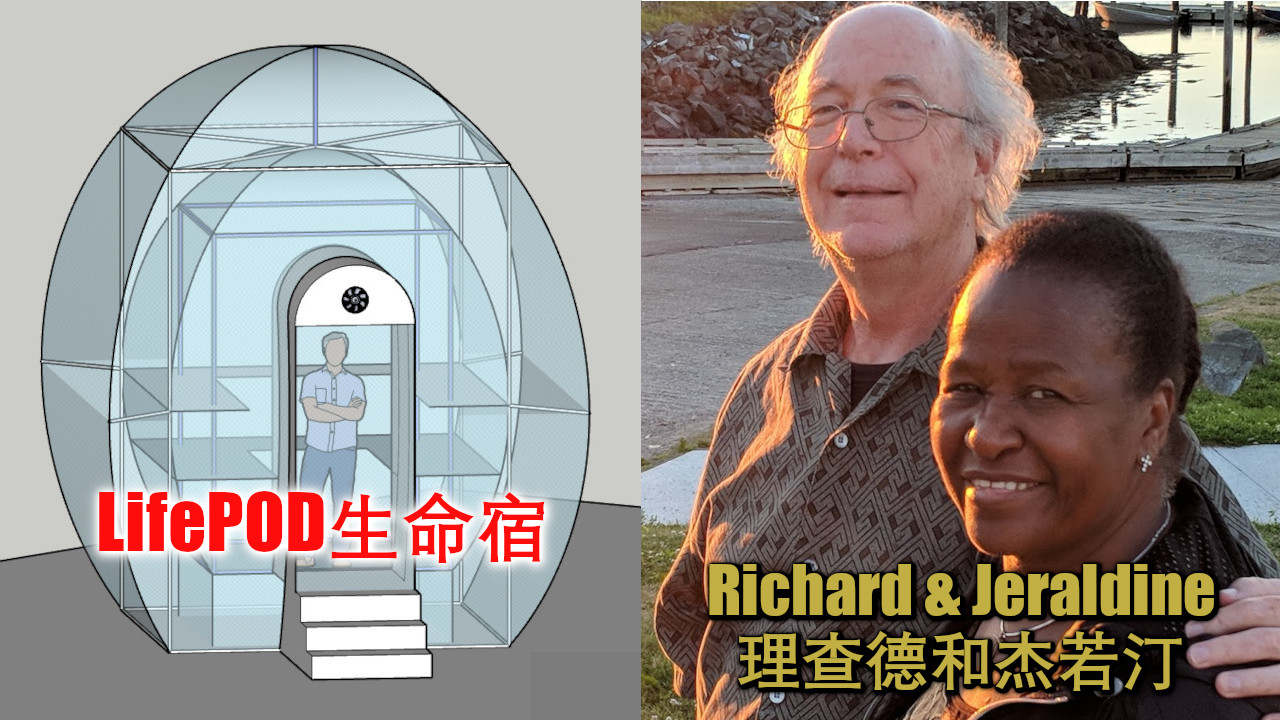
By filling the “Pure Tension” skin with dynamic bubbles, we solve the Biosphere 2 pressure problem, the Singapore cooling problem, and the Cornwall heating problem simultaneously. We move from a “Static Glass Cathedral” to a “Living, Breathing LifePod.”
The Investigative Conclusion
Expo ’67 was the promise; the Singapore Biodomes are the spectacle; but the Sun Paradigm is the fulfillment. We have spent sixty years learning how to “dematerialize” the building. Now, with the addition of the Liquid Solar Engine, we are finally ready to make the building do more than just stand there—we are ready to make it alive.
(To be continued…)