
Chapter 7: The Liquid Solar Engine – SolaRoof and Living Geometry
If the “Architecture of the Cave” was a retreat into the dark, the Liquid Solar Engine was a daring step back into the light. This chapter marks the moment of technical convergence where the “Source Code” from the Syracuse labs, the “Closed Loop” from NASA, and the “Geometry” of Fuller finally merged into a singular, working reality: SolaRoof.
This wasn’t just another greenhouse. It was the clearest, purest implementation of the inventor’s vision of a Dynamic Membrane—a building skin that could finally behave like a living organism.
The LifeSynthesis Story is OpenSource – it’s for one and all!
Throughout the 1990s and into the early 2000s, our Inventor, Richard Nelson was meticulously connecting the dots that others had missed. There was the good fortune of capturing the legacy of GE’s “Liquid Jacket” innovation, the key to managing radiation, but used by GE in the “wrong way”. He saw that NASA’s CELSS could provide total autonomy, but it was too expensive. He saw that the “Cave” architects were saving energy by retreating from nature’s abundance to make architectural practices fit within a world programmed for scarcity.
The breakthrough came when he, in Norway, in 2010 began to build the first LifeSynthesis demonstration project with the purpose to fully demonstrate that a transparent building envelope could be a self-powered Thermodynamic Engine, if designed to work with Nature. The opportunity, the capacity, the funding and dedication of time to make his vision a visible reality had finally arrived. His hope was high that the people and the timing would be perfect and that OpenSource commercialization would follow, based on the success of his Proof of Concept Project (POC).
Our Inventor set about a work plan that attracted rare people, Angels, who opened the way for truly disruptive innovation! This POC, the “AgriPod”, would be created by the Inventor himself, without the compromise and corruption that he had faced in this life-long journey over decades and several countries. First, a true “angel investor” appeared and extended financial support for his plan to live in Oslo and build the Demo and operate it as a POC nearby, in Drammen. And soon, this Angel, an American who made his millions in Oil & Gas, was joined by another, also an American, but living in Oslo and teaching Architecture, who helped him to settle in one of the most expensive cities in the world. They confirmed a sufficient financial underpinning to empower our Inventor to create his then and future venture, LifeSynthesis. These men, true to their words, delivered project funding and a generous level of personal support and business development costs for a period of 2 years, from 2010 to 2012.
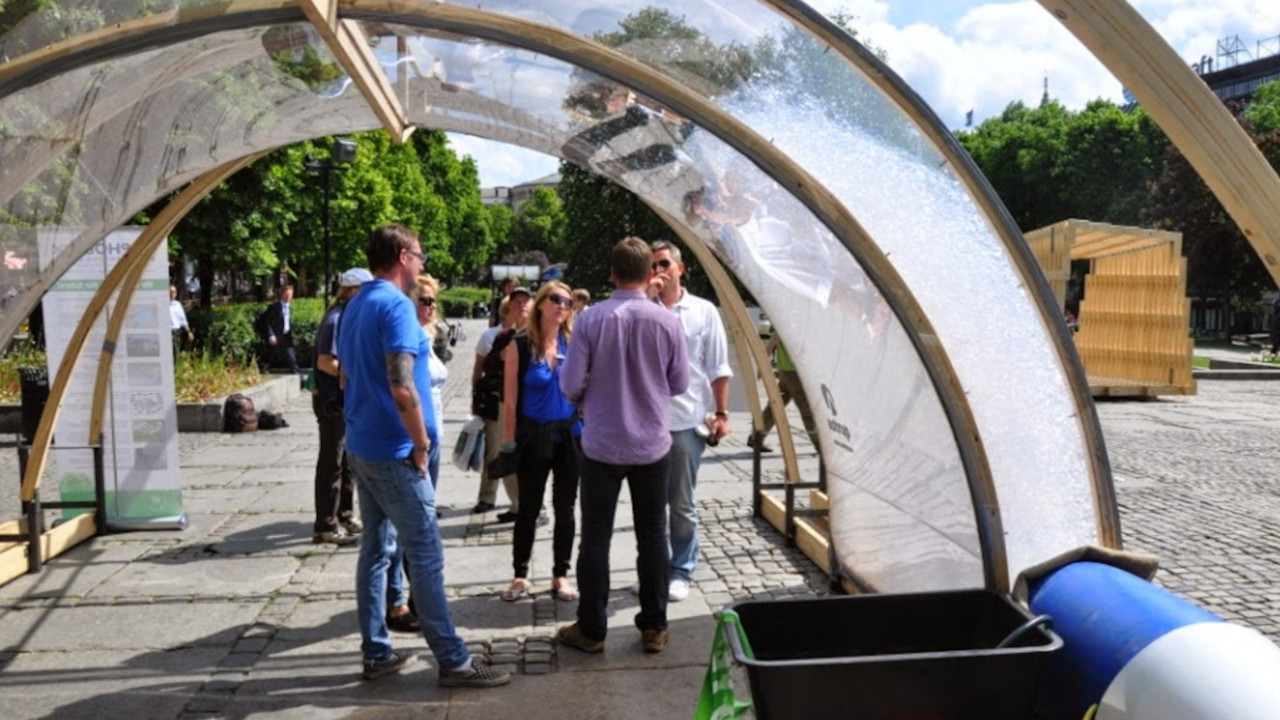
But most importantly there were the Norwegians who listened, who did the work to understand, who did the due diligence to verify the Inventor’s story, spanning previous decades and several countries – and take in what an unprecedented story it had been. Although challenging, from their position of global technological leadership, they were quickly able to see his life journey for what it appeared to be: they saw an Inventor who was born far ahead of his time, and they could also see the opportunity for Norway if it were to be the place where our Inventor’s vision could come to life. The first and the lead Norwegian visionary who “got it” was Rita Westvik, at that time working as a Senior Policy Advisor at SINTEF, the country’s national scientific research and technology institute. Rita had a life-time of leadership – in her youth she established her national celebrity, starting with a notable professional life in culture and media, then business and politics and capped by many years at SINTEF as a Futurist and convenor of international conferences bringing global expertise to Norway, across diverse domains of science and technology. Rita became the chief mentor and champion for the success of the LifeSynthesis POC and introduced Lindum as the place for the POC work to thrive. The goal, the hoped for result, would be the validation and subsequent widespread adoption and replication of the SolaRoof technology as an OpenSource knowledge base.
Completion of the POC project in 2011 and the documented operational success was celebrated with an all day workshop on December 9th, hosted by the national aluminum company of Norway, Hydro, at the head office in Oslo. This event resulted in an aha moment for many attendees – a consensus was formed and a consortium was born. From that event forward our Inventor experienced for the first time ever, the mobilization of a national level of support for adoption of SolaRoof technology in Norway. Several Innovation Norway grants were issued to members of this consortium and then a proposal, principally authored by LifeSynthesis, was accepted for funding under the Eco Innovation administration of the EU. This was the Food to Waste to Food (F2W2F) research program, which won funding of €1.6 M in the spring of 2012, representing the pinnacle of the cooperative development and use of SolaRoof technology in Norway – from there things took a turn. But, we will come back to that later in this story…
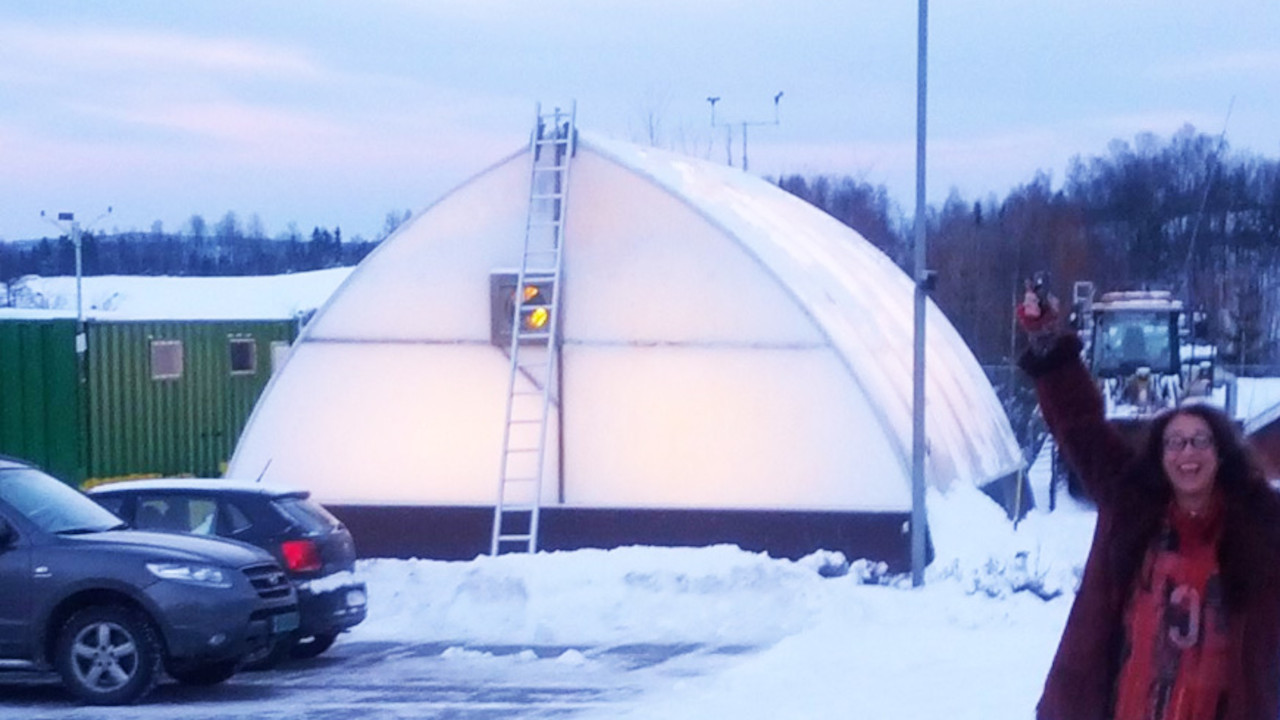
The Lindum Proof of Concept (AgriPod): The Miracle in the Fjords
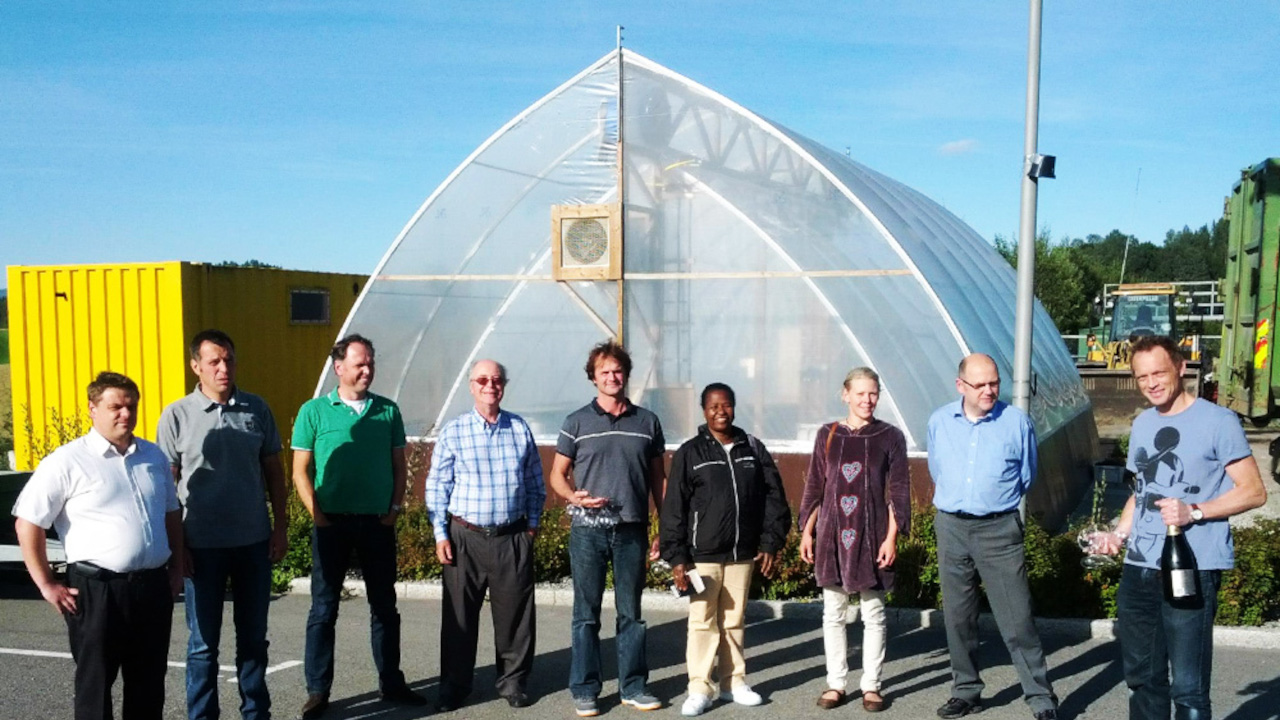
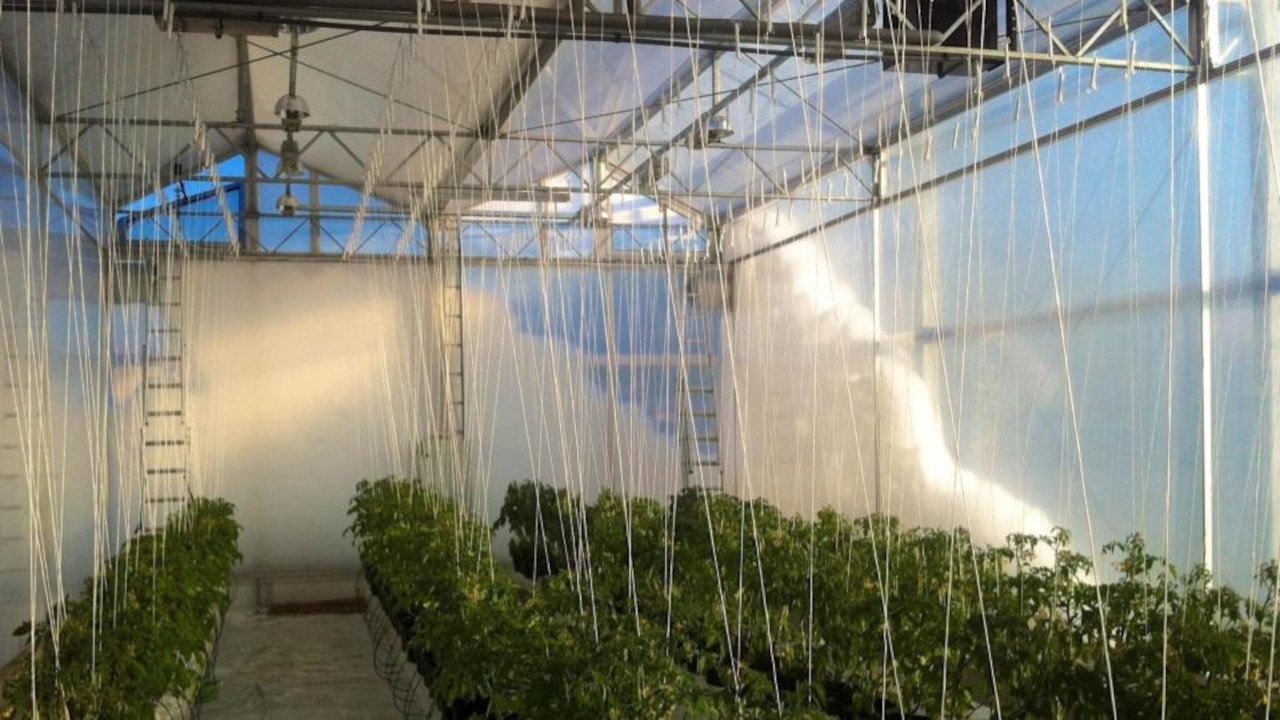
To prove this wasn’t just a theory, our Inventor moved to Norway, staying at the Oslo penthouse apartment of one of his Angel Investors. On the property of Lindum AS, a waste treatment company in the city of Drammen, he personally funded and built his first fully self-directed Proof of Concept (POC) in Europe that reached an operational phase of testing with data collection and validation.
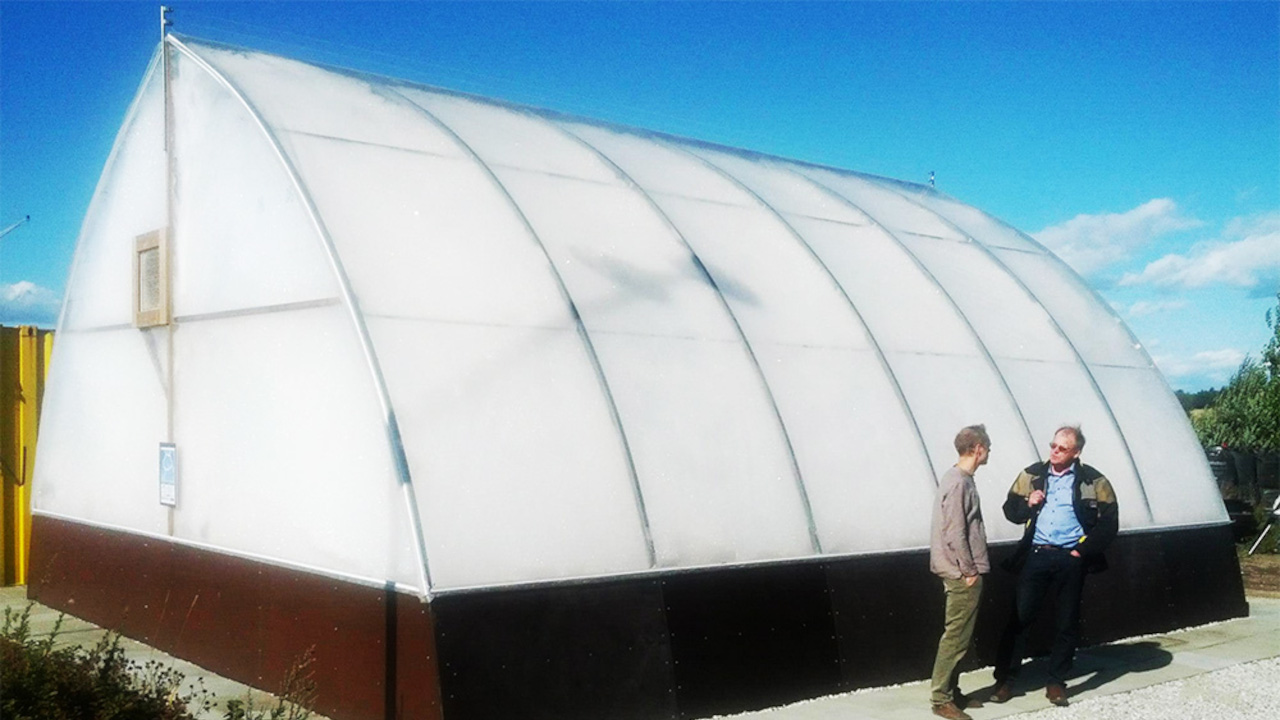
This project was a “Metabolic Masterpiece.” It was built on the site of a municipal waste facility to prove that the “Wealth of Waste” identified by John Todd could be harvested and immediately utilized in real-time. But the scope of this real-life, field testing was much greater; it was virtually all encompassing:
- The Carbon Cycle: The POC took the CO2 and colloidal effluents (organic fertiliser) from the municipal biogas plant and fed it directly into the closed atmosphere crop production.
- The Yield: The results were staggering. Even in the low light of a frigid Norwegian winter, the plants inside achieved growth rates (with supplemental, artificial lighting) that matched the “Syracuse Math.”
- The Water Recovery: By operating as a Closed-Loop Condenser, the POC recovered 100% of the transpired water from the plants, proving that “Abundance” didn’t require an ever open water tap—it required a transpiration/condensation circle.
- The Thermodynamic Win: Operations documented extreme reduction in energy consumption; in spite of the extreme nordic climate, the prototype AgriPod achieved year round temperature, humidity and radiative control by means of the application of the liquid/bubble regulated (roof & wall) building envelope – proof of the grand vision of his Closed Controlled Ecological Environment (CCEE) solution.
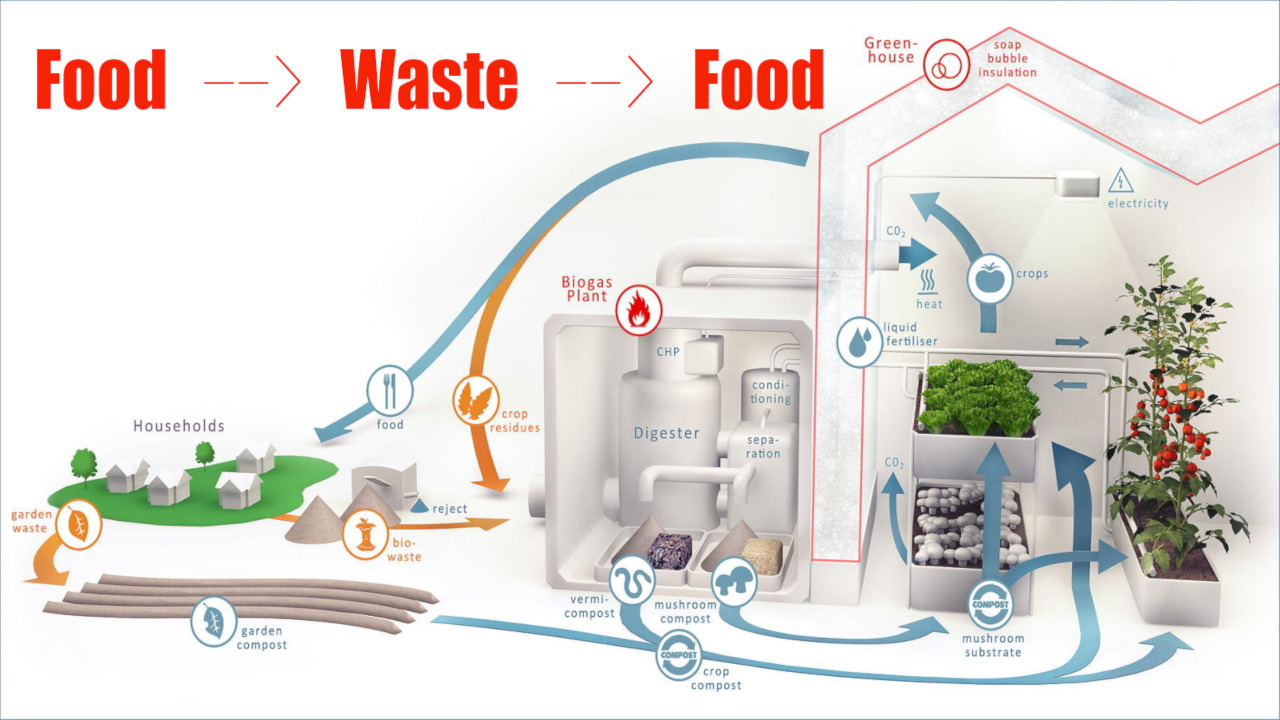
The F2W2F Leap: From Drammen to Poznan
The success of the Lindum POC was so profound that it triggered a massive wave of European interest. It became the foundation for the Food-to-Waste-to-Food (F2W2F) project, which secured a €1.6 million EU Eco-Innovation grant.
This funding enabled a research consortium, including the University of Life Sciences in Norway and the University of Poznan in Poland, to replicate the technology. The mission was clear: to prove that the Sun Paradigm could work at a continental scale. In Poznan, the researchers documented the “Regenerative Lift”—how the integration of SolaRoof with Anaerobic Digestion (AD) allowed for food production that was not only carbon-neutral but carbon-negative.
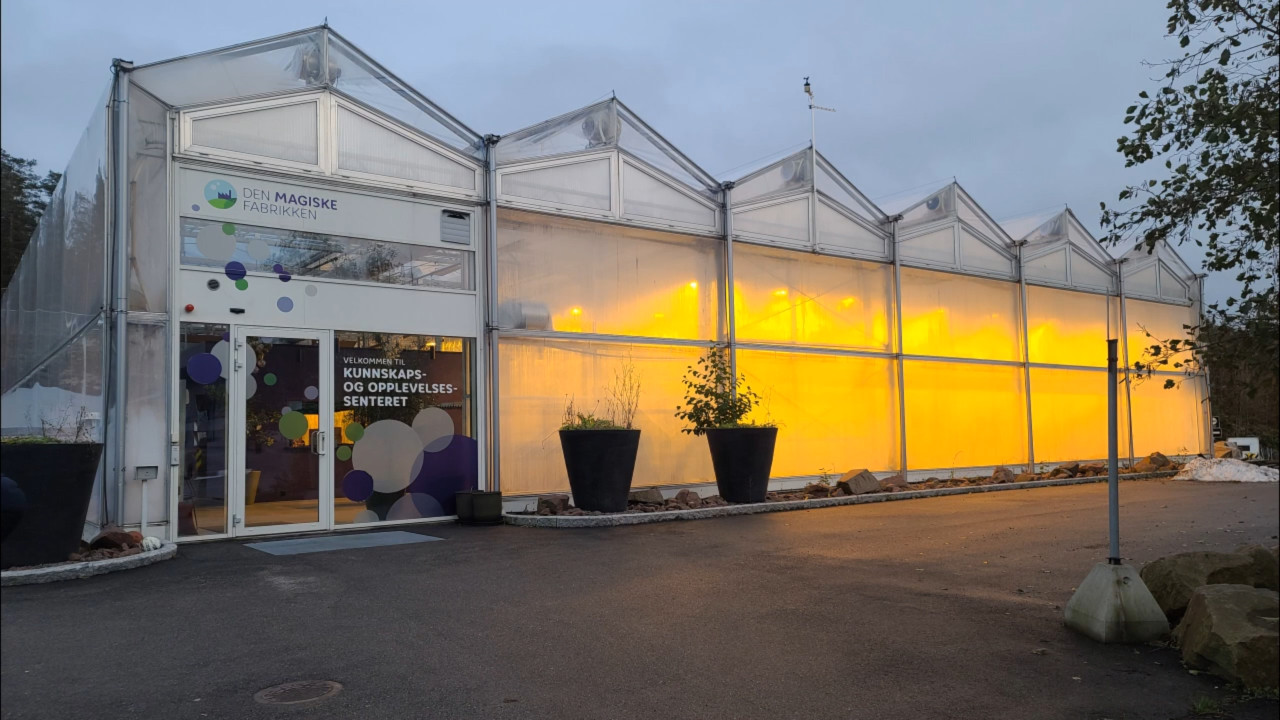
The Technical Pinnacle: The Magic Factory
This momentum eventually culminated in The Magic Factory project in Oslo. This remains one of the most advanced implementations of regenerative urban technology in the world. It is the “Bookend” to the Syracuse Files. It proves that a city can take its organic waste, process it through a SolaRoof-powered industrial system, and produce fresh, high-quality food for its citizens with almost zero external energy input.
Published, third party and government reports explicitly compare the “Food2Waste2Food” (F2W2F) and “BBBLS” bubbling greenhouse models against a conventional greenhouse.
Key Evidence Supporting Claims of Breakthrough:
- Drastic Energy & Carbon Reduction: The bubbling greenhouse technology (BBBLS and F2W2F) was shown to have a significantly lower carbon footprint than conventional systems. The conventional case had a footprint of 7,600 tCO2, while the bubbling cases were drastically lower at 500 tCO2 (BBBLS) and 132 tCO2 (F2W2F).
- Proven Thermal Efficiency: The report confirms that the “bubble cavity in the roof construction enables to reduce the amount of energy and water up to 90%”. This is not a comparison to field culture, but to the highest state of art greenhouses and provides a strong defense against doubts regarding the practical energy savings of the “Liquid Solar Engine”.
- Operational Validation: The technology was successfully tested for two years in pilot projects in Lindum, Norway, and Poznan, Poland. Data from these pilots tracked critical metrics like CO2 concentration, relative humidity, and soap tank temperatures, proving the system’s stability in a real-world setting.
- Economic Viability: The F2W2F bubbling greenhouse was found to be the most profitable model, with a Net Present Value (NPV) of 88.4 MNOK, largely due to income from crops and the replacement of natural gas with self-produced biogas.
The field testing report from Lindum, titled “The Magic Factory: Food2Waste2Food (F2W2F),” provides empirical evidence for the decentralized, regenerative food systems our Inventor long anticipated. It confirms that the integration of SolaRoof technology with circular waste-to-energy and waste-to-nutrient systems are both technically feasible and environmentally superior.
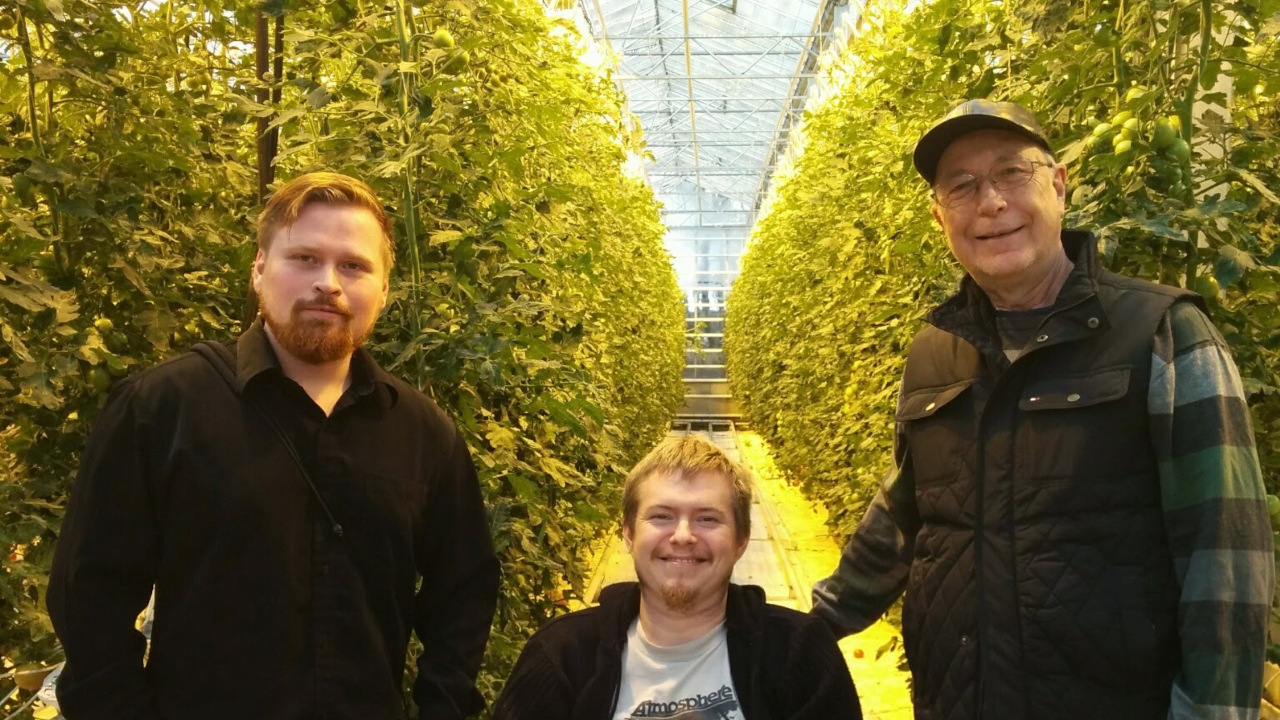
Technical Validation from the Lindum Field Tests:
- Decoupling from Fossil Fuels: The project successfully replaced natural gas with self-produced biogas, saving approximately 4 NOK in oil per kilogram of mushrooms produced.
- Climate Performance: The report underscores the massive carbon footprint reduction of this approach. While conventional Norwegian tomato production has a significant carbon footprint due to gas heaters and CO2 supplementation, the F2W2F model utilizes 4,500 tons of captured CO2 from the biogas upgrading plant to grow up to 3,000 tons of tomatoes.
- Water and Nutrient Circularity: The tests validated “Digeponics,” using the liquid fraction of digestate from organic waste as a complete fertilizer that outperformed conventional hydroponic high-yield cucumber crops.
- Urban Food Security: The report demonstrates that a professional grower using these systems can achieve 80% increase of commercial yields in a year-round, urban setting, directly supporting LifeSynthesis thesis of localized abundance.
- Community Integration: The project moved beyond theory by establishing contracts with approximately 50 local farmers to receive bio-fertilizer and provide livestock manure, creating a stable, closed-loop regional economy.
Letting go of Doomerism
To counter any remaining skepticism regarding “widespread adoption,” the early SolaRoof adopters can look to the “Magic Factory” (Den Magiske Fabrikken) as a working national pilot plant. It serves as a real-world example of how these technologies can be integrated into existing municipal waste streams and agricultural sectors to reach climate goals years ahead of schedule.
This field data, combined with the energy savings of the liquid/bubble cavity roof—which reduces energy and water needs by up to 90%—provides a robust engineering foundation for the LifePod Demo.
The Investigative Conclusion: The Ghost in the Machine
The SolaRoof breakthrough solved the “Invisible Wall” that had defeated Hodges and Todd. It proved that a building could be transparent, highly insulated, and cool—all at once. It moved us from the “Architecture of the Cave” to the “Architecture of the Membrane.”
However, as the F2W2F project and the Magic Factory moved forward, a shadow began to fall over the innovation. While the science achievement was celebrated, the OpenSource spirit that birthed it was being challenged. The technology was being “claimed” by institutions that sought to enclose the knowledge for profit, ignoring the clear purpose of the inventor that this “Knowledge Base” should belong to all of humanity.
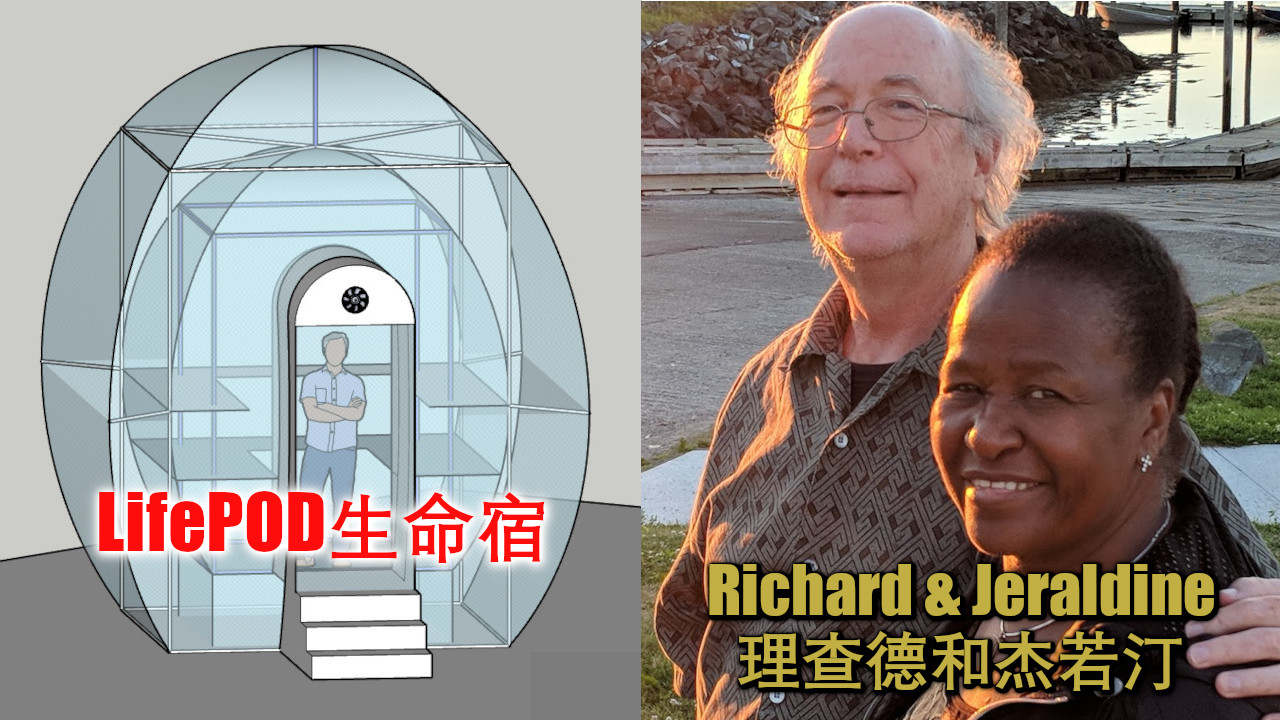
But the facts remain. The prototype AgriPod, at Lindum proved that Abundance is an Engineering Certainty. We have the “Liquid Solar Engine.” We have the “Bubble Cloud/Blanket”. But the knowledge that can save us, even in Norway, has not broken through and the industrial scale food producers are in a state of denial and remain resistant to change. Additionally, this was, for the Inventor, not a finished work. The Inventor’s eye could see in the prototype AgriPod something else that needed to emerge: a powerful seed of abundance, which would need to be born into the world first. This “precursor” is the true miracle, it’s the saving grace, the LifePod for the people.
(To be continued…)